Tango Orientation
Argentine Tango
Argentine tango is not something you "master" quickly. It is a social practice built over time—through listening, walking, and learning how to be with another person in motion.
The resources below are curated to help you orient yourself without overwhelm. They are not meant to replace learning in the room, but to give context, reassurance, and cultural literacy as you begin.
What Tango Is (and Isn't)

Argentine tango is a social, improvised dance rooted in walking and shared attention. It is danced in close proximity, without choreography, and shaped moment by moment through the embrace.
Tango is often confused with:
- •Stage tango
- •Competitive ballroom tango
- •Choreographed performance styles
Those forms may look impressive, but they are not how tango is danced socially.
Social tango prioritizes:
- •Comfort and presence
- •Musical walking
- •Clarity of intention
- •Responsiveness to a partner
- •Navigation of a shared floor
If you are new, you do not need steps, tricks, or dramatic movement. You need time, listening, and a reliable sense of yourself in space.
Styles of Tango
Context, Not Dogma
You may hear people talk about "styles" of tango. These are descriptions, not rules. Most experienced dancers blend elements from many approaches depending on the music, space, and partner.
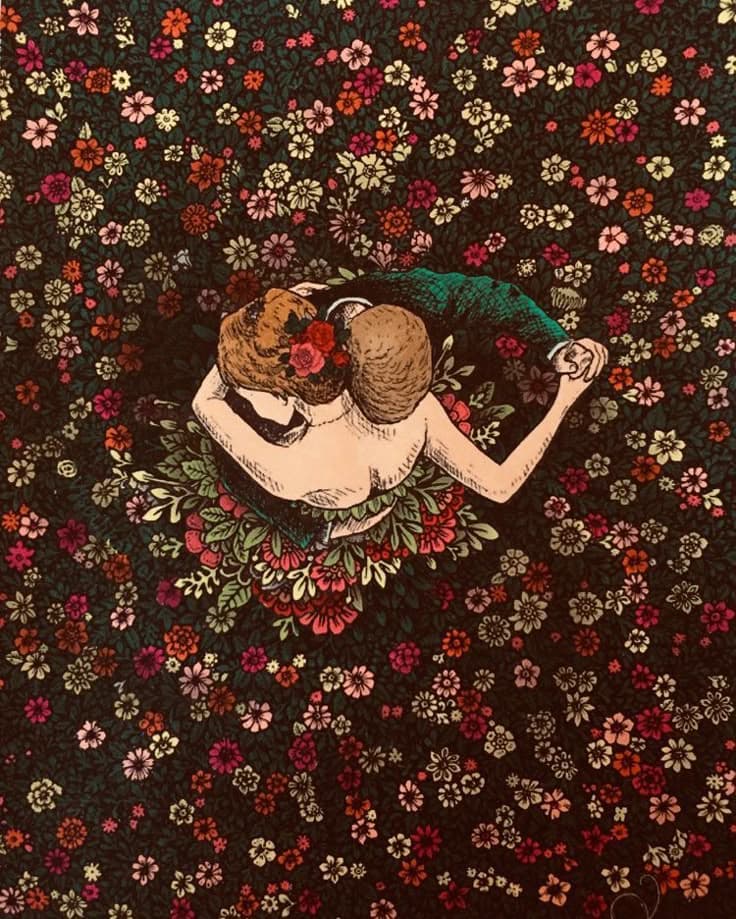
Milonguero / Close-Embrace Tango
- •Compact movement
- •Sustained close embrace
- •Emphasis on shared balance and musical walking
- •Designed for crowded social floors
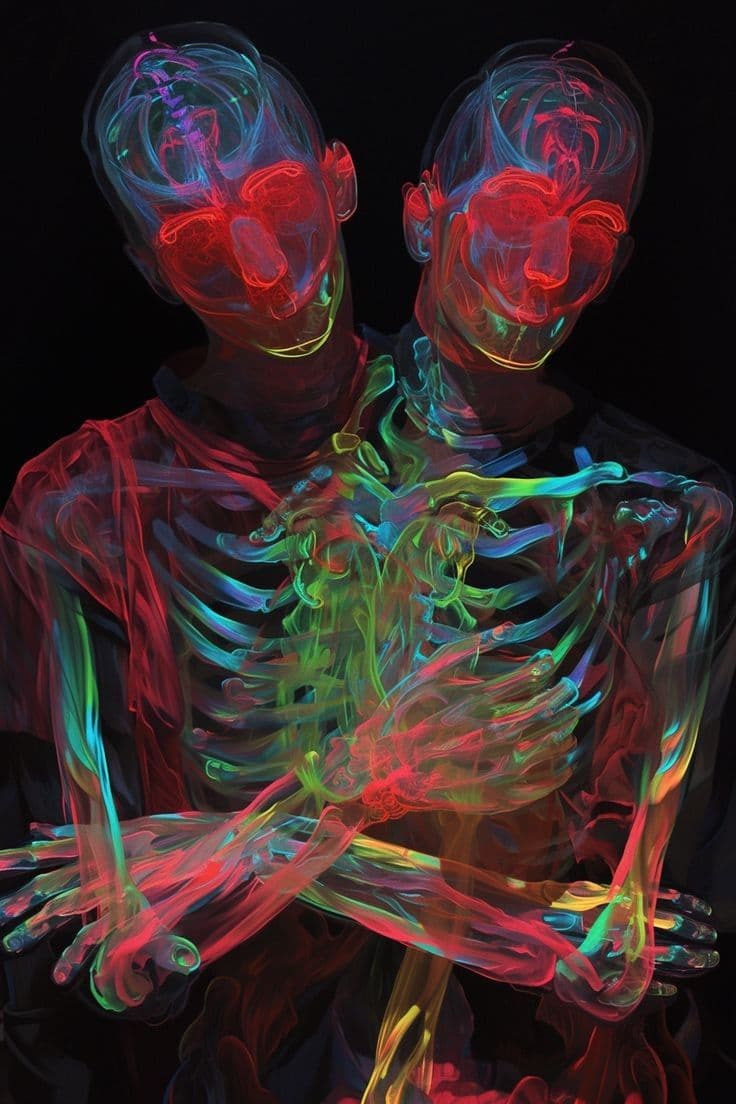
Salon Tango
- •Upright posture
- •Clear axis and structure
- •Adaptable embrace
- •Emphasis on elegance and navigation
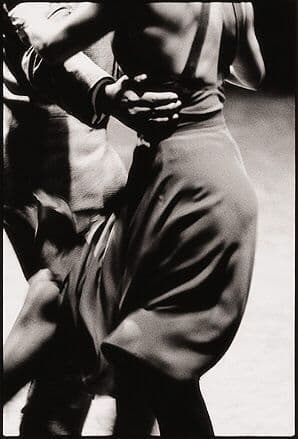
Nuevo Tango
- •Exploratory and analytical
- •Expanded movement vocabulary
- •Uses concepts from anatomy and physics
- •Often practiced in open space
No style is superior. Each developed in response to specific social and cultural needs.
Our Perspective
We approach tango as a practice of attention.
We prioritize:
- •Ease over effort
- •Clarity over performance
- •Sensation over imitation
- •Listening over doing
Tango is not something you add to your life. It is something you gradually learn to inhabit.
Use these resources as companions, not authorities. The real learning happens in your body, in the embrace, over time.